

Choosing a Large Clay Chiminea
Mexican Chimeneas are one of the most practical fire pits on patios. They are simple to light and set up. However, they are not made for roaring fires. Putting wood coals directly on the clay could cause it to crack. To prevent this it is recommended that three inches of sand must be put on the bottom of the chimenea.
Size
A large chiminea made of clay is a wonderful addition to any outdoor space. It will add warmth and charm, and add a touch of Mexican tradition to your patio or garden. In addition, you can use a chiminea to cook food on the grill, or add an outdoor fire pit for your children to play in. Selecting the best one for your space requires careful consideration of the material size, shape, and color along with additional features and security options.
Before you begin looking for the perfect chiminea, take a look at the space available in your backyard. You will want to ensure that you have enough room to accommodate the chiminea, and also an appropriate distance from material that is flammable, such as structures or overhangs. Be aware that larger clay chimineas might require more care.
There are many different types of chimineas to choose from to choose from, so pick the one that best fits your aesthetic and lifestyle. You can purchase a huge clay fireplace that has an chimney, and a cover to protect it against the elements. A cover is important to have as it will stop wind from blowing the flames into the air.
Another crucial aspect to take into consideration when buying a chiminea the cost. The more expensive models are typically made from hand-thrown clay and feature an authentic appearance. They are also more durable and require less maintenance than cheaper chimineas.
Clay chimineas must be "cured" (which means they must go through a series of small fires) before they can be used. This process could take some time, but it will allow you to enjoy your clay chimineas for many years. But, it's important to remember that your chiminea can be fragile, particularly when it's exposed to elements.
Store your clay chiminea indoors during winter months. This will keep it safe from freezing temperatures and moisture which could damage the chiminea. Alternately, you can put it in a shed or garage so that it is not exposed to the elements. When you're ready to use it again it's time to clean it up to make it appear as clean as new.
Style
If you're looking for a fireplace outside that is both functional and beautiful, a large clay chiminea might be the one you require. They are ideal for gardens, patios and other outdoor spaces. They can create a warm, welcoming ambience. A lot of them also have grills that allows you to cook your favorite meals over the flame.
There are a range of styles to pick from, so you'll be able to find one that fits your style and personal preferences. Some are designed to appear more traditional, whereas others are designed with more modern styles. Whatever style you choose, you will want to make sure that it is a quality product and is made from strong materials. A chiminea that is well-made will last for years and will not be prone to rusting or cracking as less expensive models made of metal.
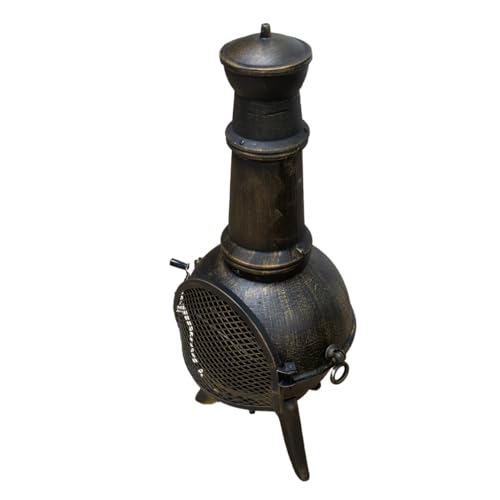
The weight of the model is an important factor to take into account when choosing a clay chiminea. Larger models can be heavy and make it difficult to move them from one place to another. Consider investing in a dolly, or similar device that can help you lift the chiminea, and then move it. You should also always be aware of your path in mind when transporting your chiminea in order to avoid harming it in the process.
Chimineas are usually made from clay from terracotta, but they can also be made from cast iron or steel. Some are glaze that gives an elegant Mexican design to your backyard. Terra is the most common material, but there are many alternatives to choose from as well.
Cast iron chimineas and clay must be dried prior to their use. This means you need to start small fires and gradually increase the heat. If you don't cure them properly they may be damaged or cracked because of sudden temperature fluctuations. Certain of the more recent clay chimineas are made from grogged clay which helps them resist this damage and cracking.
Chimineas are an excellent way to spend time outside with your loved ones and friends. They can also be the focal point of gatherings and are an attractive addition to any patio or backyard. Be sure to follow all safety guidelines when using a chiminea. Also, keep it away flammable objects like vinyl fences.
Material
Modern chimineas are available in a variety materials, including cast iron and cast aluminum. They offer the traditional Mexican-inspired look of their ancestors but also provide a more modern style that can be adapted to a variety of decor styles.
Most chimineas are designed with a classic pot-belly shape but innovative shapes are also available to suit a variety spaces. The Gardeco Azteca Extra Large Mexican Clay Chiminea Yellow for instance, has an Azteca design moulded into the funnel and body and is an impressive addition to any garden.
Clay chimineas are highly durable and resistant to heat, however they require regular maintenance to prevent damage. They should be heated at a low temperature prior to use, sealed twice ayear and cleaned frequently. They also need to be covered with a waterproof chiminea cover when not in use.
Like all outdoor fire features, a chiminea is dangerous and should be set on a sturdy surface that is away from low-hanging branches, dry grass and other materials that are flammable. In the event of emergency, it's important to have a nearby water source.
If maintained properly, a large clay chiminea will last longer than other outdoor fire features. The clay is a good insulation against heat and helps the fire burn less quickly and cooler, which reduces the risk of smoke inhalation. garden chiminea are less likely to break than chimineas made of cast iron. However, they may require curing prior to use and are heavier.
A large chiminea of clay or a metal one could be used to prepare food, however it has less cooking options than a barbecue or grill. You can cook meat, vegetables and fish in a chiminea. However it is not advised to cook directly over an open flame since this may cause the chiminea crack or break.
Price
A large clay chiminea is a wonderful addition to any backyard. Its wide opening allows you to view the fire, and its tall chimney draws in air creating natural draft. It's also easy to clean and perfect to cook food outdoors. Certain manufacturers provide a removable barbecue to use with this kind of outdoor fireplace. But, it's important to remember that a large chiminea made of clay is more expensive than a comparable model constructed from cast iron.
There are a variety of chimineas on the market, each with its own distinct features and designs. Some have a more rustic look and others are more modern. Some are meant to make a statement and may be in the form of animals or characters. Others are more practical and offer a simple flume chimney and a place to store wood to burn.
It is crucial to choose the chiminea that is safe to use and is in line with your yard's style. If possible, place it on a surface which is fire-safe, such as a patio constructed of brick or concrete. Make sure it's not near the eaves or other covers that could catch fire. Chimineas can be affected by sudden temperature fluctuations, so they should never be placed on a wooden deck.
If you're seeking a chiminea that is easy to lightweight and efficient, you should consider a Mexican clay chiminea. They're the most efficient chimineas due to the fact that they're not as susceptible to cracking like other kinds of chimineas. They're also easier to heat up, allowing you to start your fire quickly.
It is important to "cure" the new clay-based chiminea before you use it. To do this, fill the chiminea with two to three inches of river sand and use small pieces of kindling. Once the kindling is burned out, add larger pieces of wood and gradually increase the size of the fire until it's hot enough to burn sand. This will stop the chiminea's lining from cracking when exposed to extreme temperatures.